

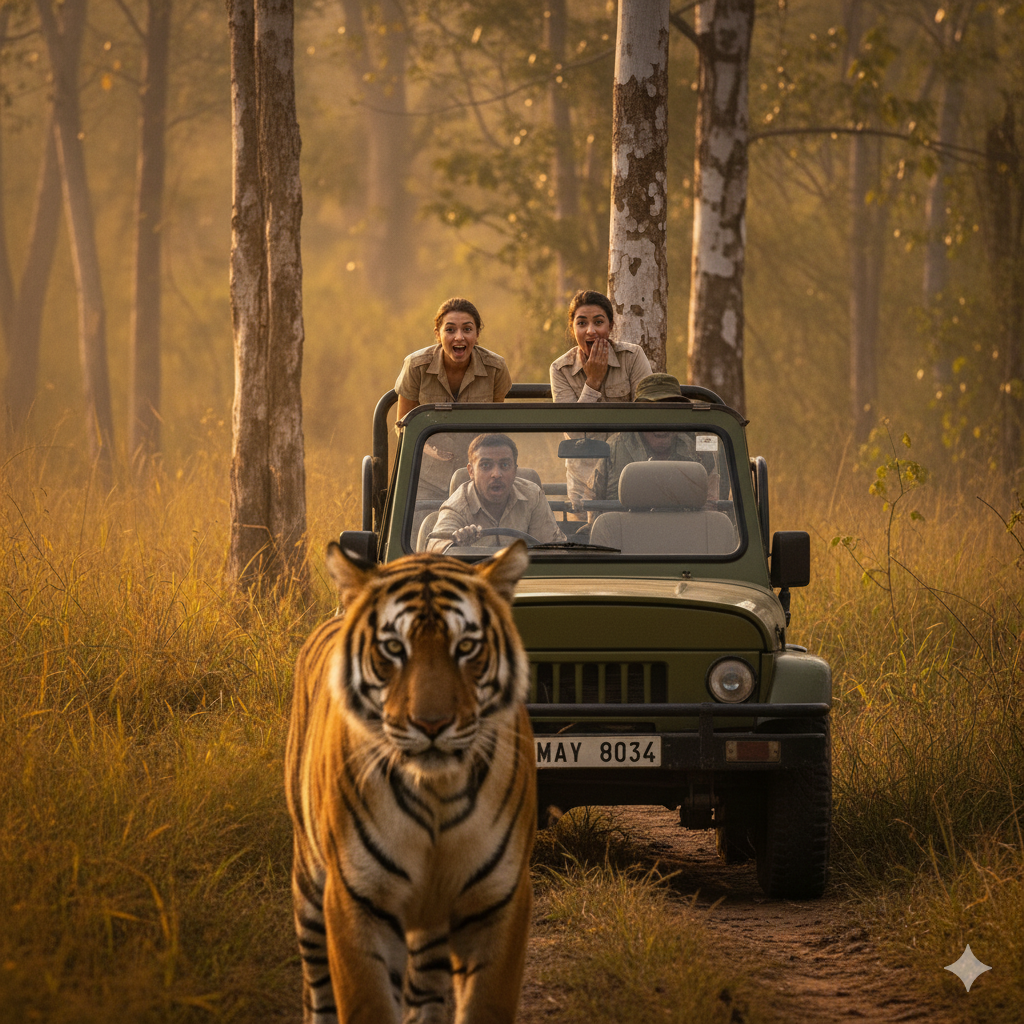
India, a global stronghold for the Royal Bengal Tiger, is the premier destination for wildlife enthusiasts seeking an exhilarating tiger safari. With an estimated 3,682 tigers across 58 reserves, covering over 82,000 square kilometers as of the 2022 All India Tiger Estimation, India accounts for over 75% of the world’s wild tiger population book tiger safari in India. The recent addition of Madhav Tiger Reserve in Madhya Pradesh in 2025 further enhances India’s appeal as a safari hub. This article explores the best tiger safari destinations, their unique offerings, and a comprehensive guide to booking an unforgettable tour in 2025.
The Thrill of India’s Tiger Safaris
The Royal Bengal Tiger (Panthera tigris tigris), India’s national animal, symbolizes untamed beauty and power. Thriving in diverse ecosystems—from dense forests to mangrove swamps—these apex predators captivate travelers worldwide. Supported by Project Tiger, launched in 1973, India’s tiger population has surged from 1,411 in 2006 to 3,682 in 2022, with a 6.1% annual growth rate. A tiger safari offers not only the chance to spot these majestic cats but also an immersion into vibrant ecosystems teeming with wildlife like leopards, deer, and rare birds, all while supporting conservation efforts.
Top Tiger Safari Destinations in India for 2025
India’s tiger reserves are celebrated for their biodiversity, accessibility, and conservation success. Madhya Pradesh leads with 785 tigers, followed by Karnataka (563) and Uttarakhand (560). Below are the best destinations for 2025, selected for their high tiger density, unique landscapes, and robust tourism infrastructure:
1. Bandhavgarh National Park, Madhya Pradesh
Renowned for India’s highest tiger density, Bandhavgarh guarantees thrilling sightings. Its rugged Vindhya hills, ancient fort, and lush greenery create a picturesque setting. The Tala, Magdhi, and Khitauli zones are prime for spotting tigers, making it a favorite for photographers and wildlife enthusiasts.
2. Kanha National Park, Madhya Pradesh
The inspiration behind The Jungle Book, Kanha’s sprawling meadows and sal forests host a thriving tiger population alongside rare barasingha deer. Its well-managed zones (Kanha, Mukki, Kisli) and eco-friendly lodges offer an immersive wilderness experience, ideal for families and nature lovers.
3. Ranthambore National Park, Rajasthan
Set in Rajasthan’s arid terrain, Ranthambore blends historical ruins, serene lakes, and a robust tiger population. Its proximity to Delhi and Jaipur makes it accessible within the Golden Triangle. Zones 2–5 are hotspots for sightings, often framed by the 10th-century Ranthambore Fort.
4. Jim Corbett National Park, Uttarakhand
India’s oldest national park, established in 1936, Corbett sits in the Himalayan foothills with 560 tigers. The Dhikala zone is renowned for frequent sightings and stunning riverine landscapes, complemented by diverse wildlife like elephants and otters.
5. Sundarbans National Park, West Bengal
A UNESCO World Heritage Site, the Sundarbans’ mangrove forests are home to unique swimming tigers. Boat safaris through its tidal waterways offer a distinctive adventure, with opportunities to spot crocodiles, dolphins, and rare birds.
Emerging Favorites
- Tadoba-Andhari Tiger Reserve, Maharashtra: Known for consistent tiger sightings and luxury lodges, Tadoba is a rising star for immersive safaris.
- Pench National Park, Madhya Pradesh/Maharashtra: Another Jungle Book-inspired reserve, Pench offers scenic beauty and balanced wildlife encounters, perfect for multi-day tours.
Why These Destinations Stand Out
These parks excel due to:
- High Sighting Success: Bandhavgarh and Kanha lead in tiger density, while Ranthambore and Corbett offer reliable sightings.
- Diverse Ecosystems: From Sundarbans’ mangroves to Corbett’s Himalayan vistas, each reserve provides a unique backdrop.
- Conservation Excellence: Backed by Project Tiger, these parks balance tourism with habitat preservation.
- Visitor-Friendly Infrastructure: Well-organized safari zones, expert guides, and varied accommodations cater to all travelers.
Booking Your Tiger Safari Tour in 2025
Planning a tiger safari requires careful preparation to secure permits and maximize your experience. Follow these steps to book a seamless tour:
- Choose Your Destination: Select a park based on your priorities—Bandhavgarh for high sightings, Sundarbans for unique boat safaris, or Corbett for scenic diversity.
- Optimal Timing: The best season is October to June, with peak visibility from March to May due to thinner vegetation. Most parks close during the monsoon (July–September).
- Reserve Safari Permits: Permits are mandatory and limited. Book 90–120 days in advance via official portals like the National Tiger Conservation Authority (NTCA) website, mpforest.org (Madhya Pradesh), or rajasthanwildlife.in (Ranthambore). High-demand zones like Dhikala (Corbett) and Tala (Bandhavgarh) sell out quickly.
- Select a Reputable Operator: Choose TOFTigers-certified or Ministry of Tourism-approved operators like Pugdundee Safaris, Nature Safari India, or Wild World India. Look for packages including jeep safaris, trained naturalists, and sustainable accommodations.
- Safari Types: Jeep safaris (6–8 passengers) offer intimate experiences; private jeeps provide flexibility at a higher cost. Canters (up to 20 passengers) are budget-friendly. Sundarbans features boat safaris.
- Accommodation Options: Choose from luxury lodges (e.g., Taj Banjaar Tola in Kanha), mid-range resorts, or budget forest rest houses. Book early for peak season (December–April).
- Prepare for the Safari:
- Essentials: Pack neutral-colored clothing, binoculars, a camera with a zoom lens, sunscreen, and insect repellent.
- Guides: Request certified naturalists for insights into tiger behavior and park ecosystems.
- Etiquette: Maintain silence, avoid flash photography, and follow park rules to minimize wildlife disturbance.
- Budget Planning: Jeep safaris cost ₹5,000–₹15,000 ($60–$180) per trip, excluding accommodation. Multi-day packages range from ₹50,000–₹2,50,000 ($600–$3,000) per person, depending on duration and luxury level.
Conservation and Responsible Tourism
India’s tiger population growth reflects Project Tiger’s success, supported by advanced monitoring via M-STrIPES and camera traps. However, habitat loss and human-wildlife conflict pose ongoing challenges. Responsible tourism bolsters conservation by:
- Funding reserves through entry fees and permits.
- Supporting local economies via jobs as guides, drivers, and lodge staff.
- Promoting sustainability through low-impact safaris and eco-friendly practices.
Choose operators committed to ethical tourism and avoid actions like littering or disturbing wildlife.
Tips for an Exceptional 2025 Safari
- Increase Sighting Chances: Book 3–5 safaris across multiple zones to boost tiger encounter odds.
- Embrace the Ecosystem: Tigers are elusive; enjoy other wildlife, bird calls, and forest serenity.
- Explore New Reserves: Visit emerging destinations like Madhav Tiger Reserve for fresh safari experiences.
- Learn from Locals: Engage with guides to understand conservation efforts and local culture.
- Travel Light: Carry essentials and avoid strong scents that may disrupt wildlife.
Conclusion
A tiger safari in India is a transformative adventure, offering a front-row seat to the Royal Bengal Tiger’s majesty amid breathtaking landscapes. From Bandhavgarh’s high-density trails to Sundarbans’ unique waterways, India’s top reserves deliver unforgettable experiences backed by robust conservation. By booking strategically with ethical operators and embracing responsible tourism, you contribute to preserving India’s tigers for future generations. Plan your 2025 tiger safari tour now and embark on a journey into the heart of the wild.